06 · Meeting record
Maddy Fairley-Wax & Nick Searra A first conversation
29 April 2026 · Video call · 60 minutes
Date29 April 2026
FormatVideo call
Duration60 minutes
JacobsMaddy Fairley-Wax, P.E.
MicroLinkNick Searra
Next callFollowing week — Jacobs AD technical director joining
6.1 — Overview
A first technical conversation between Maddy Fairley-Wax, P.E. (Process Engineer, Jacobs Solutions) and Nick Searra (CEO, MicroLink Data Centers). The intent of the meeting was to introduce the MicroLink thesis, test the technical complementarity with the San José ADFU programme, and explore whether a deeper Jacobs–MicroLink collaboration is of mutual interest.
6.2 — What was discussed
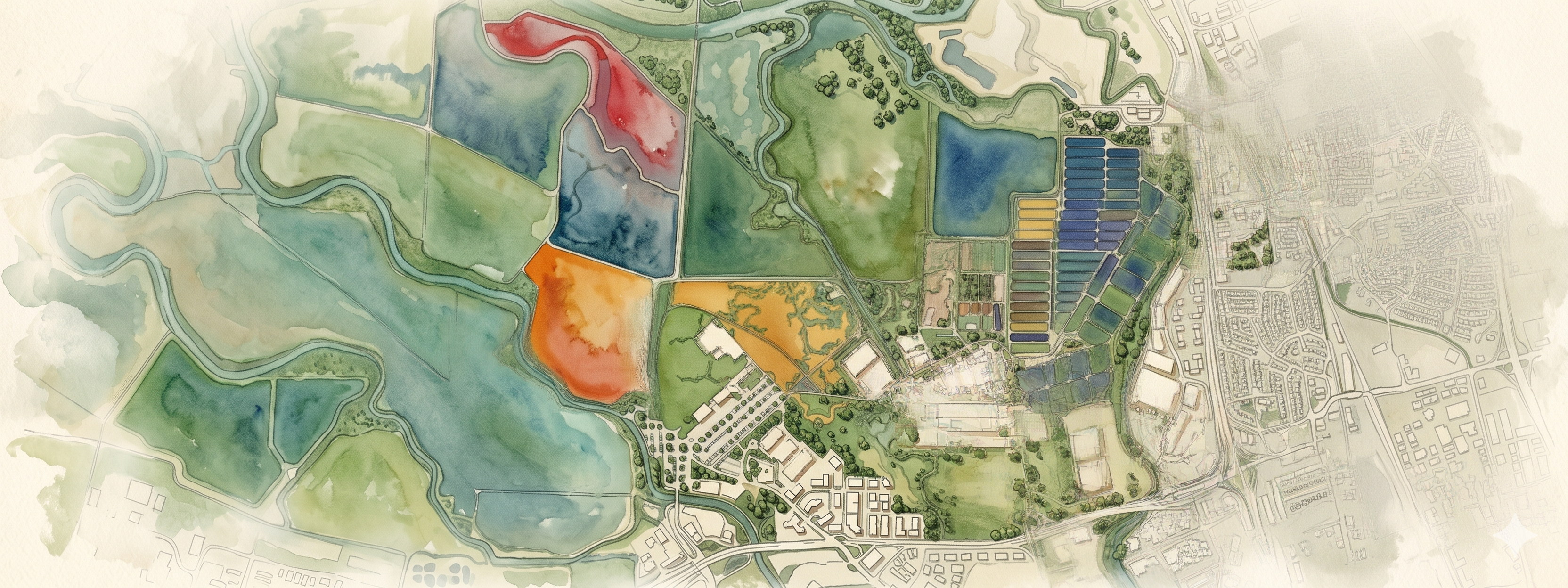
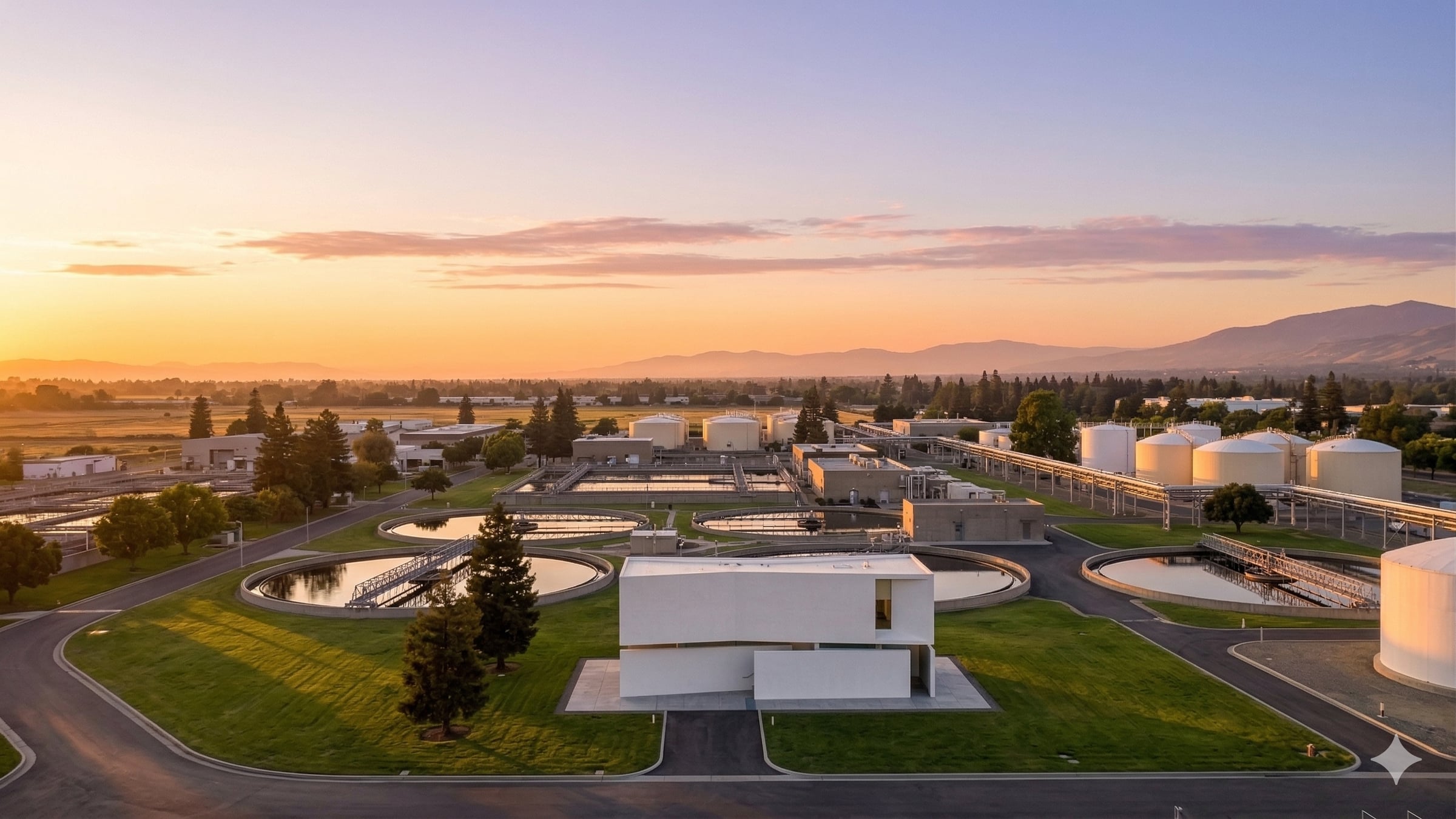
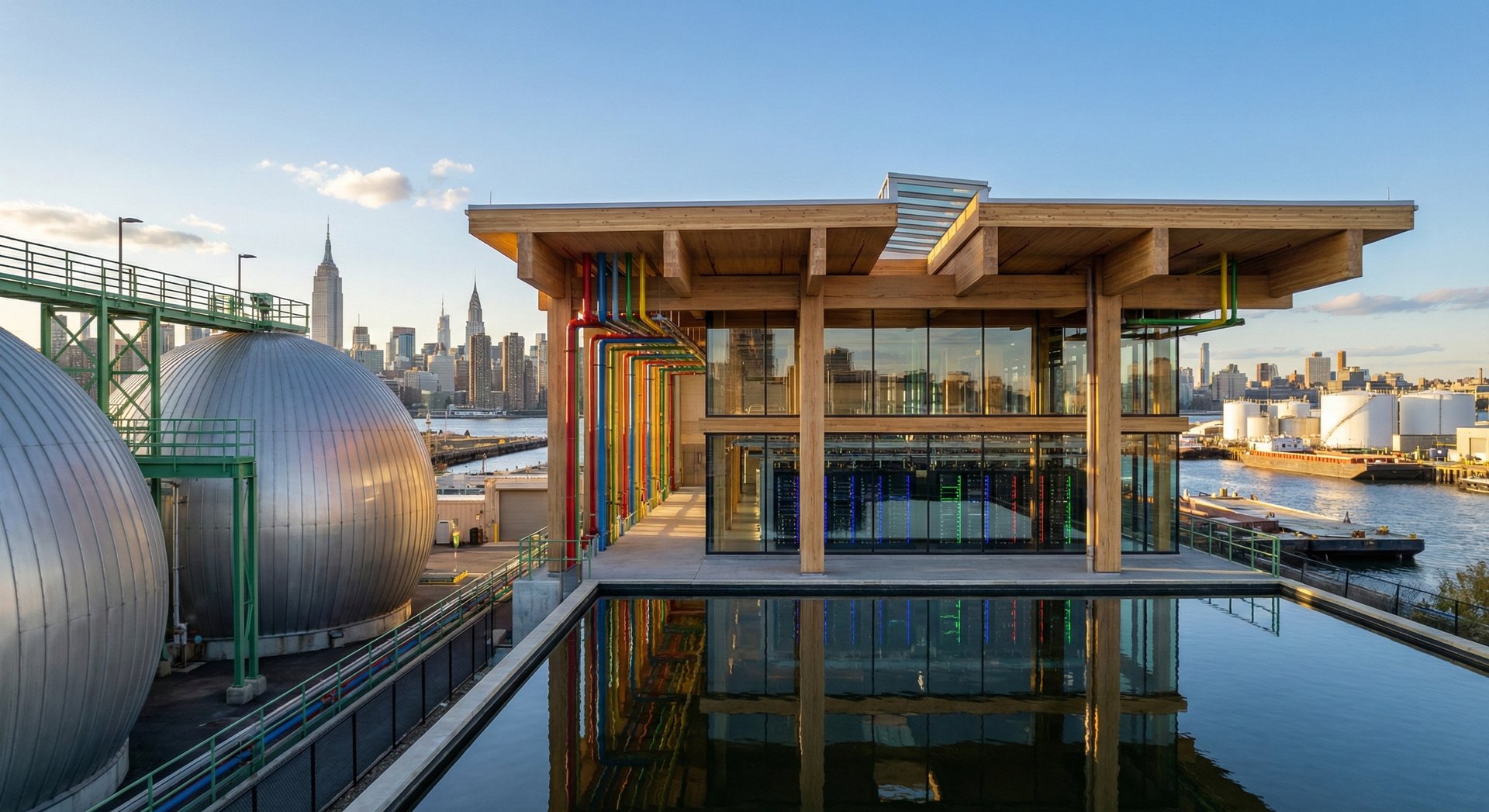
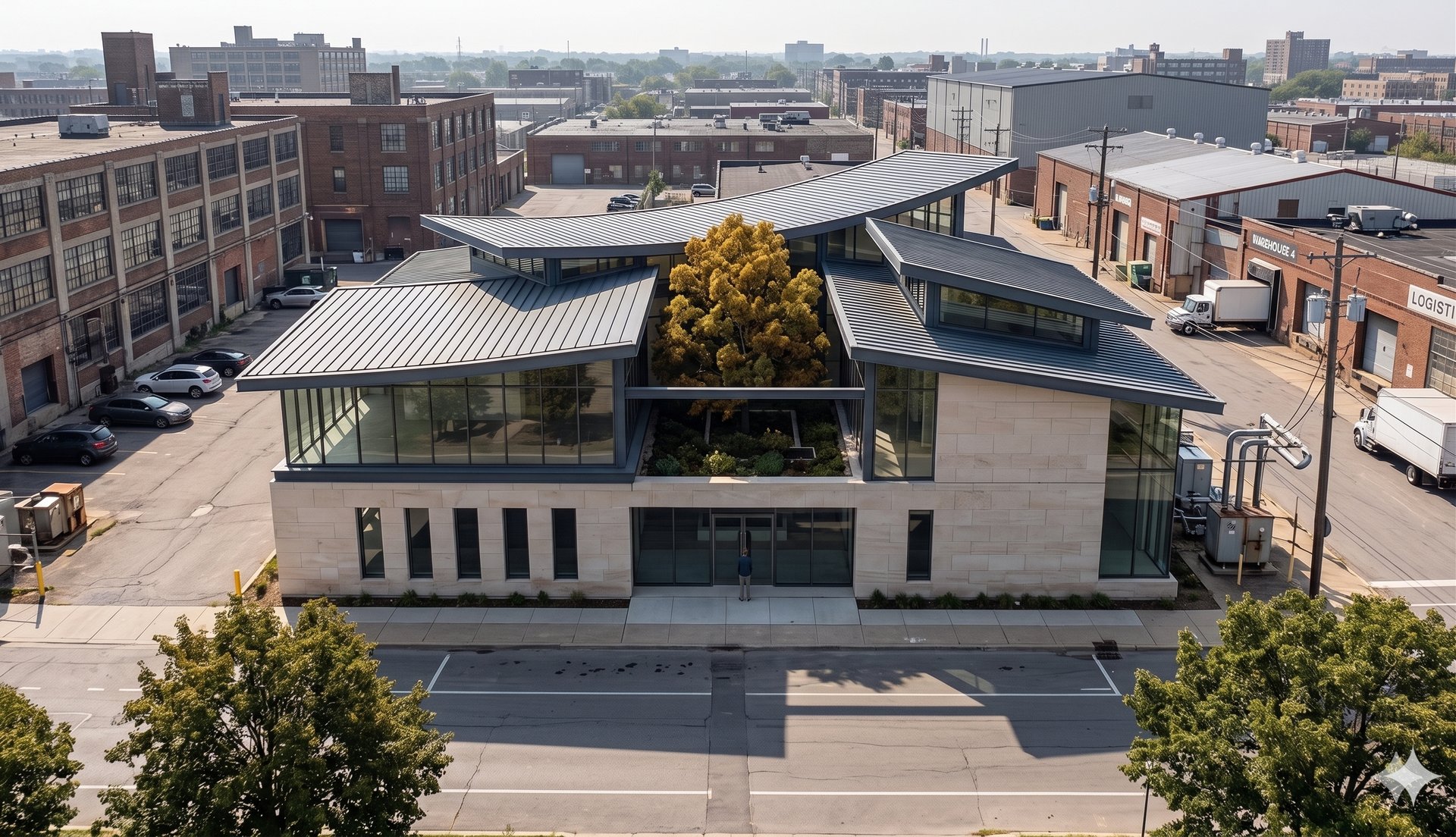
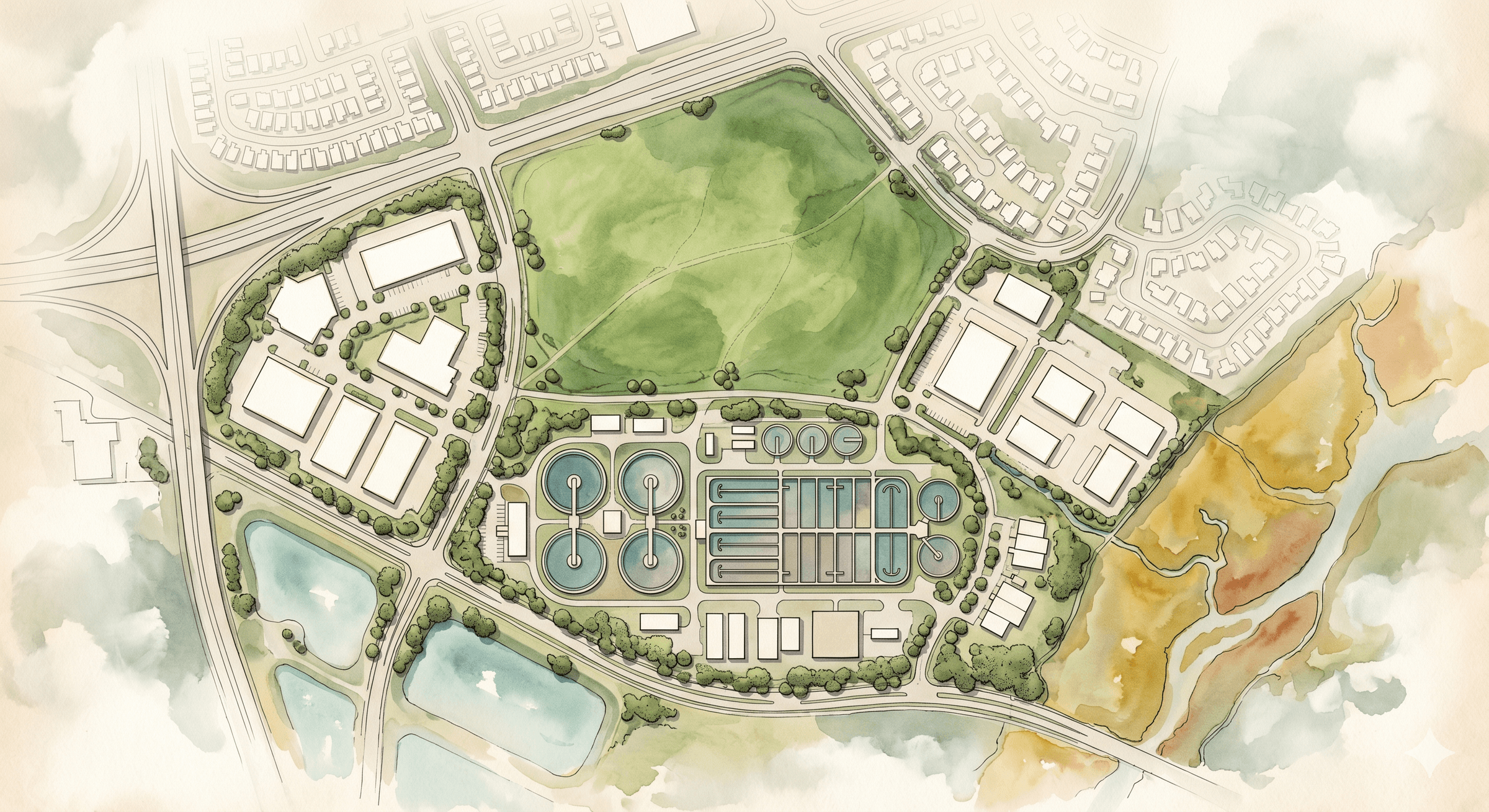
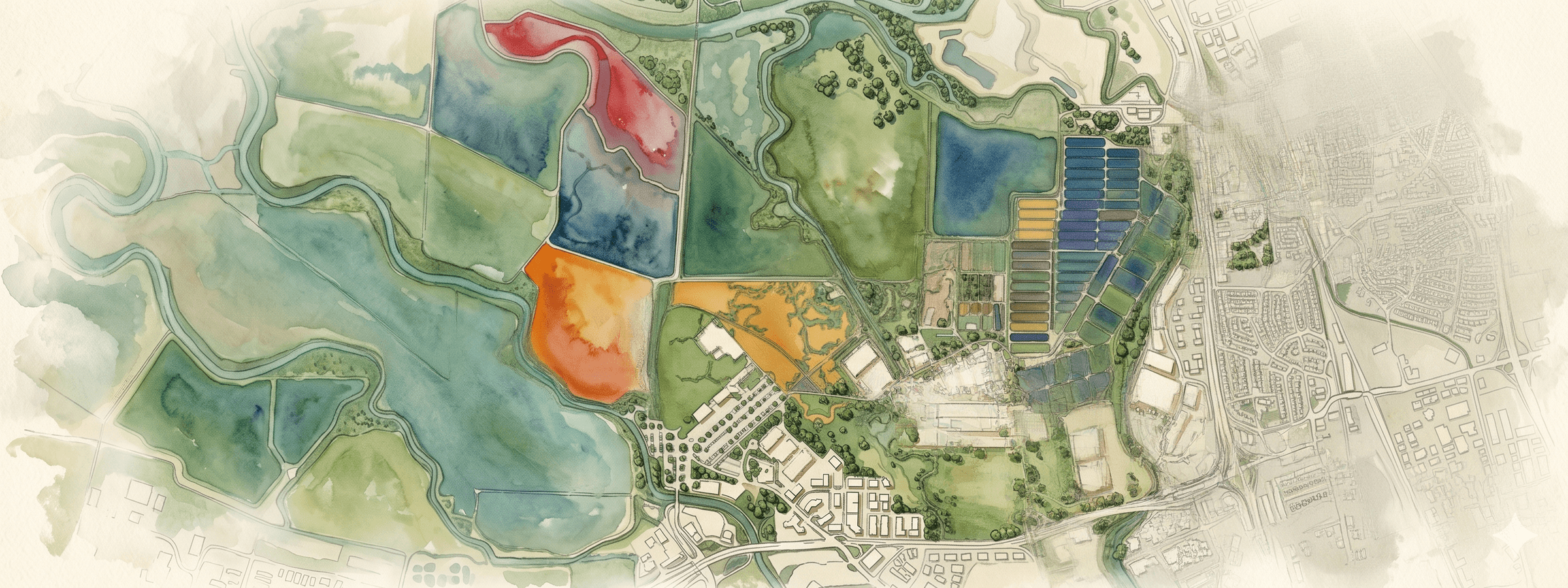
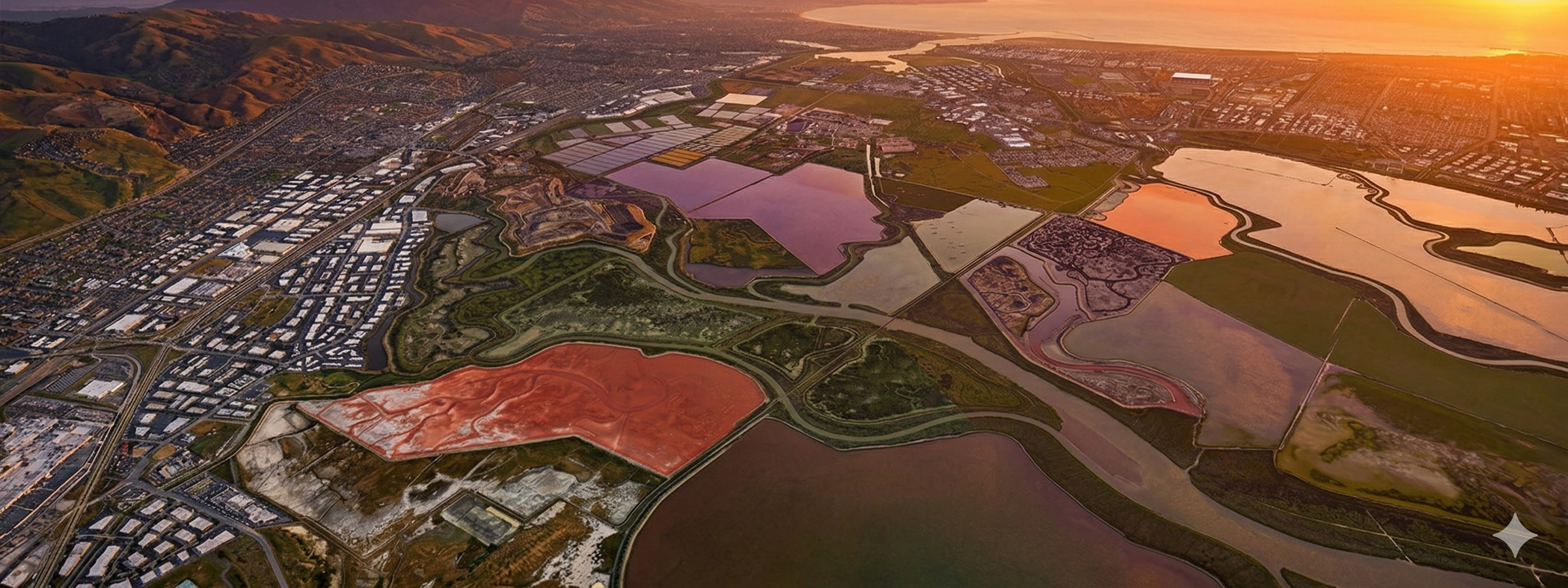
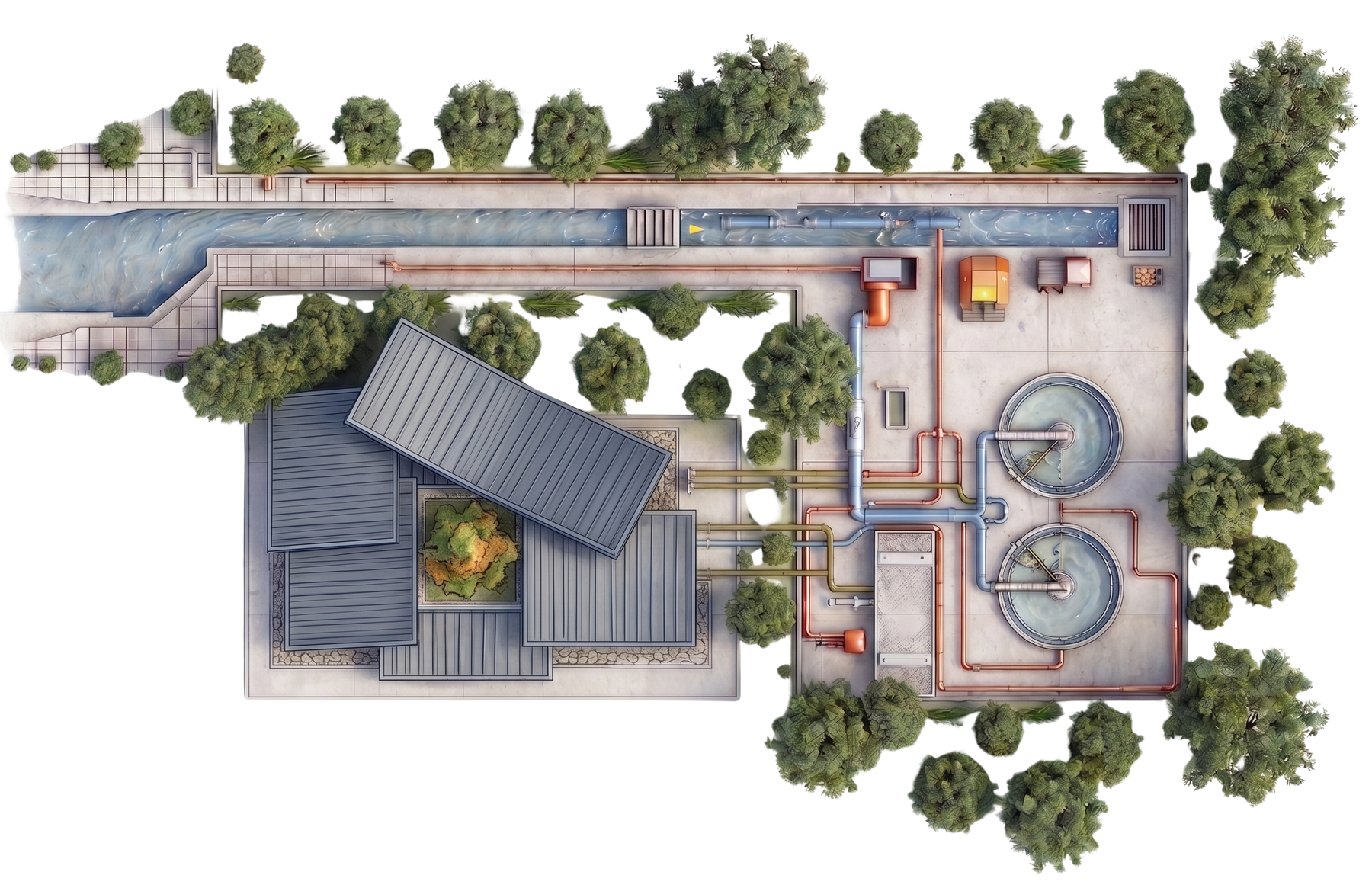
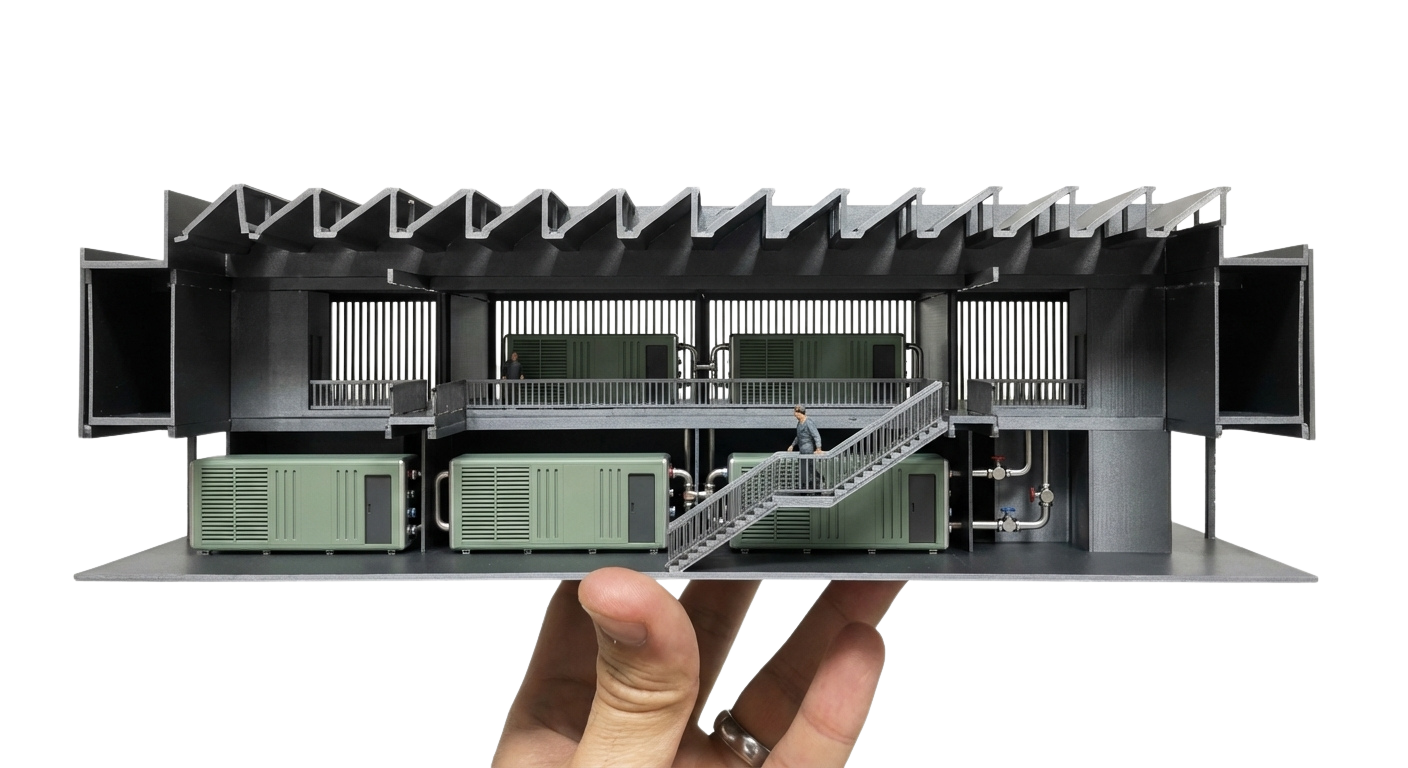
The MicroLink thesis. MicroLink builds heat-recovery infrastructure for liquid-cooled data centres, deploying compute inside operating industrial sites where the rejected heat does useful thermodynamic work. The conversation focused on the San José–Santa Clara Regional Wastewater Facility as a candidate site, and on the broader category of wastewater treatment plants as host facilities for this architecture.
Liquid-cooling trajectory. Server cabinet power is moving from 7–12 kW per rack today to a projected 500–600 kW per rack within the next generation, making air cooling thermodynamically impractical. Direct-to-chip liquid cooling is the industry direction. MicroLink's architecture takes advantage of that thermal output rather than dissipating it.
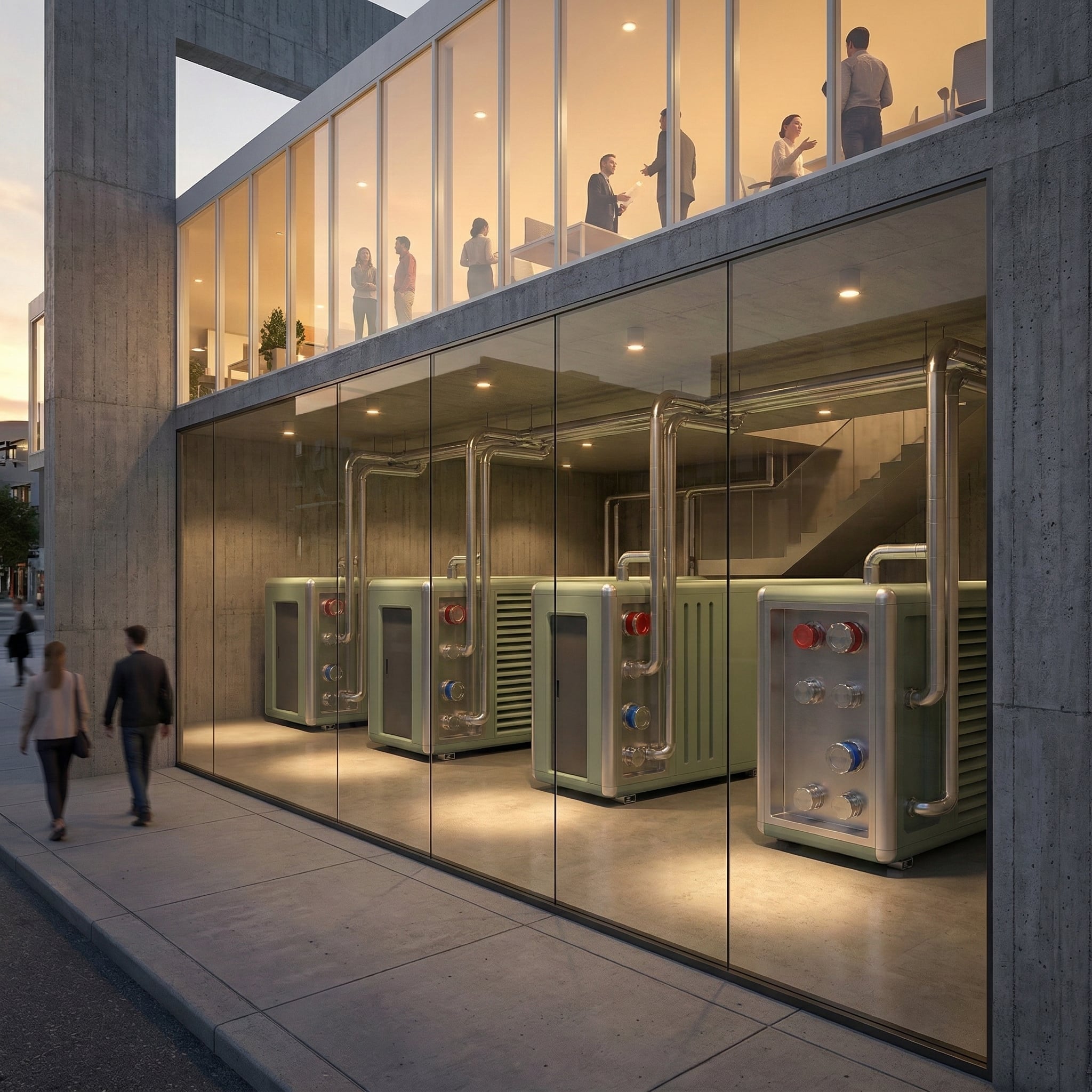
The proposed thermal exchange. A two-way relationship: MicroLink takes biogas from the plant for behind-the-meter electricity generation (via molten carbonate fuel cell or hydrogen storage), and delivers waste heat from the servers at 45–55 °C to the digester train and sludge drying processes. That outlet temperature can be lifted to ~75 °C by routing through Bitcoin-miner racks at the tail of the loop, and to much higher temperatures via a heat pump. The data centre acts as a thermal augmentation source, offsetting the plant's biogas use for heating.
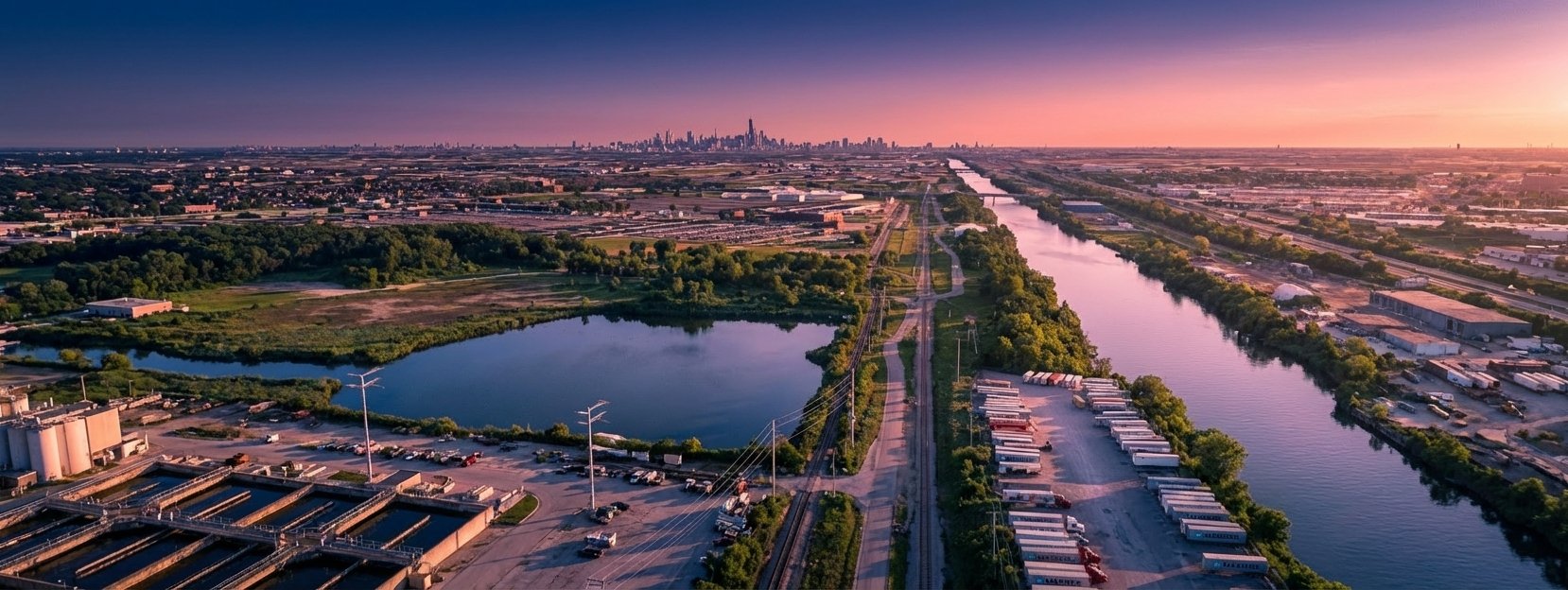
The NVIDIA partnership. MicroLink is in active discussions with NVIDIA on two parallel partnership tracks. The San José site is one of several under evaluation, alongside Newtown Creek (Brooklyn), Stickney (Chicago), and West Point (Seattle). The proximity of San José to NVIDIA's headquarters (~7 miles) makes it a natural candidate for technology co-development, including digital-twin integration and AI-monitored operations.
Site benchmark ambition. The intent at San José is to deliver a category-defining first-of-kind reference: a deployment that other wastewater treatment plants globally can model from. The collaborative framework — including Jacobs as the engineering, procurement, and construction partner — is the structure within which that ambition would be realised.
6.3 — Technical contributions from Jacobs
Several elements of MicroLink's working thesis were materially refined or corrected during the conversation. These contributions are recorded here with attribution because they will shape the next iteration of MicroLink's technical specification and the joint paper proposed below.
Cogeneration heat is already recovered. The San José cogeneration system does not reject 8–12 MW to atmosphere as previously assumed. The cogen recovers heat from the internal combustion engines via hot-water loop (~80–85 °C) and delivers it to the digesters through heat exchangers. This reframes the "heat surplus" thesis: the opportunity is not to recover wasted heat, but to augment a heat supply that is already in service. (Maddy Fairley-Wax)
Cogeneration cost reference. The current San José cogen system was installed in 2017 at approximately $20 million. With cost escalation, an equivalent system today would cost $60–70 million. This figure is material to the financial framing of any future deployment. (Maddy Fairley-Wax)
Microbial Hydrolysis Process — quantified. MHP is a side-stream process targeting hard-to-digest cellulosic material via specialised bacteria. It consistently delivers 75% conversion of organics to biogas, against the ~60% conversion of conventional anaerobic digestion. It also reduces downstream solids volume, with implications for equipment sizing across the bio-solids train. The first full-scale MHP facility is currently under construction in Denmark. (Maddy Fairley-Wax)
Anaerobic digestion temperature regimes. Digesters operate at either 35 °C (mesophilic) or 55 °C (thermophilic). The San José tanks are approximately 3 million gallons each. The dominant heat duty is raising raw thickened solids (4–6% solids content) from inlet temperature (~15–20 °C) to digestion temperature. (Maddy Fairley-Wax)
Ideal-case design preference. In a clean-sheet design, the preferred process train would be: thermal hydrolysis pre-treatment, feeding digesters at up to 10% solids content, followed by thermophilic anaerobic digestion paired with MHP as a side-stream. This is the configuration most likely to maximise conversion and minimise downstream solids. (Maddy Fairley-Wax)
Industry context. Sacramento has a $140M, 15 MW biogas utilisation contract — a relevant comparator for the scale of capital being deployed in the sector. Many facilities flare biogas because the capex for beneficial use does not pay back at low utility rates. (Maddy Fairley-Wax)
Sludge nomenclature. "Sludge" refers to the combined primary and secondary solids stream. Raw sludge is pre-digestion; digested sludge is post-digestion. Cellulose content in municipal wastewater comes substantially from toilet paper. Composition is broadly stable across municipalities except where industrial contributors dominate (e.g. Duluth, MN, with ~50% paper-mill influent). (Maddy Fairley-Wax)
These contributions are gratefully acknowledged. They are the substance of what makes this kind of conversation valuable, and they will be carried forward in MicroLink's thinking and in any joint technical work that follows.
6.4 — Heat-recovery system architecture
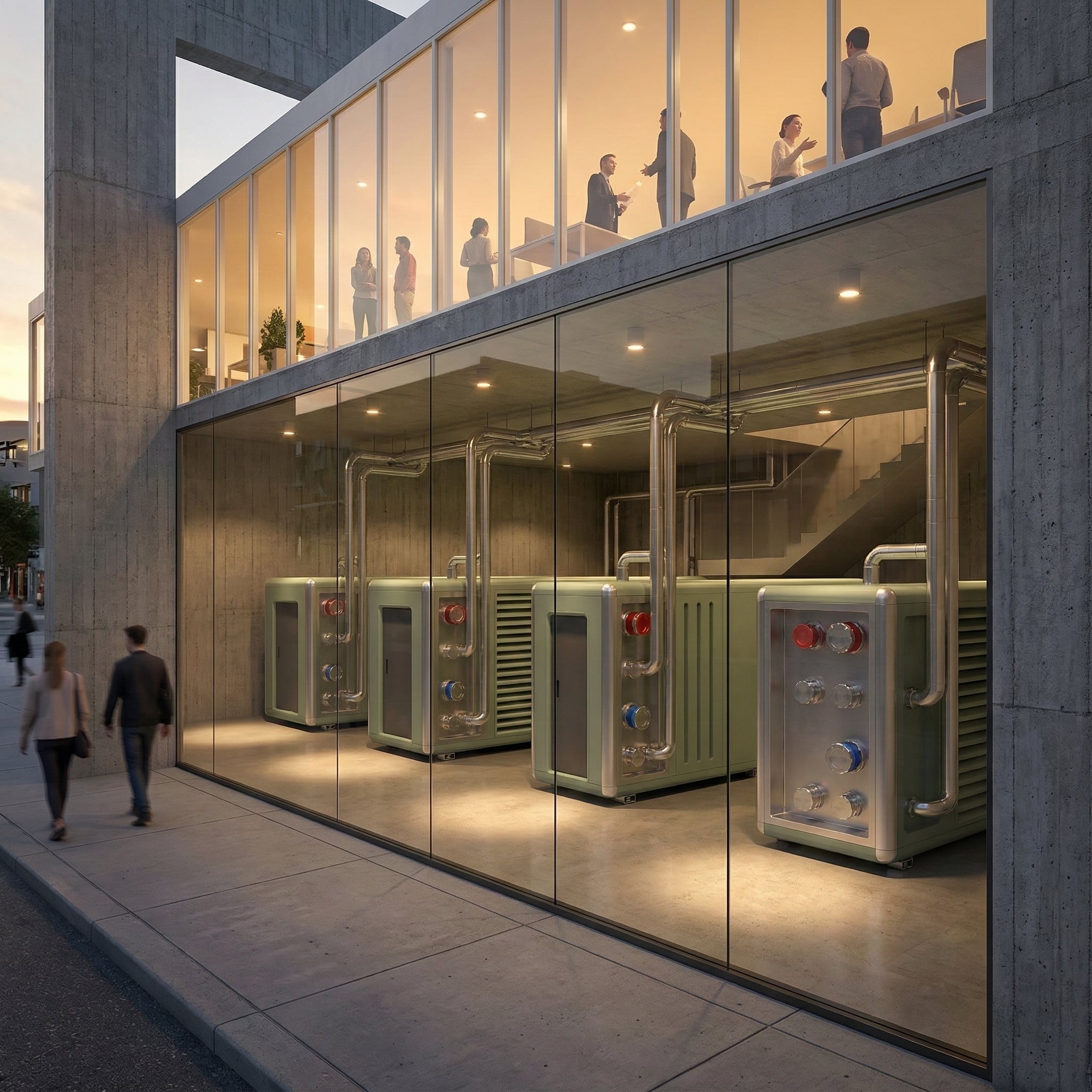
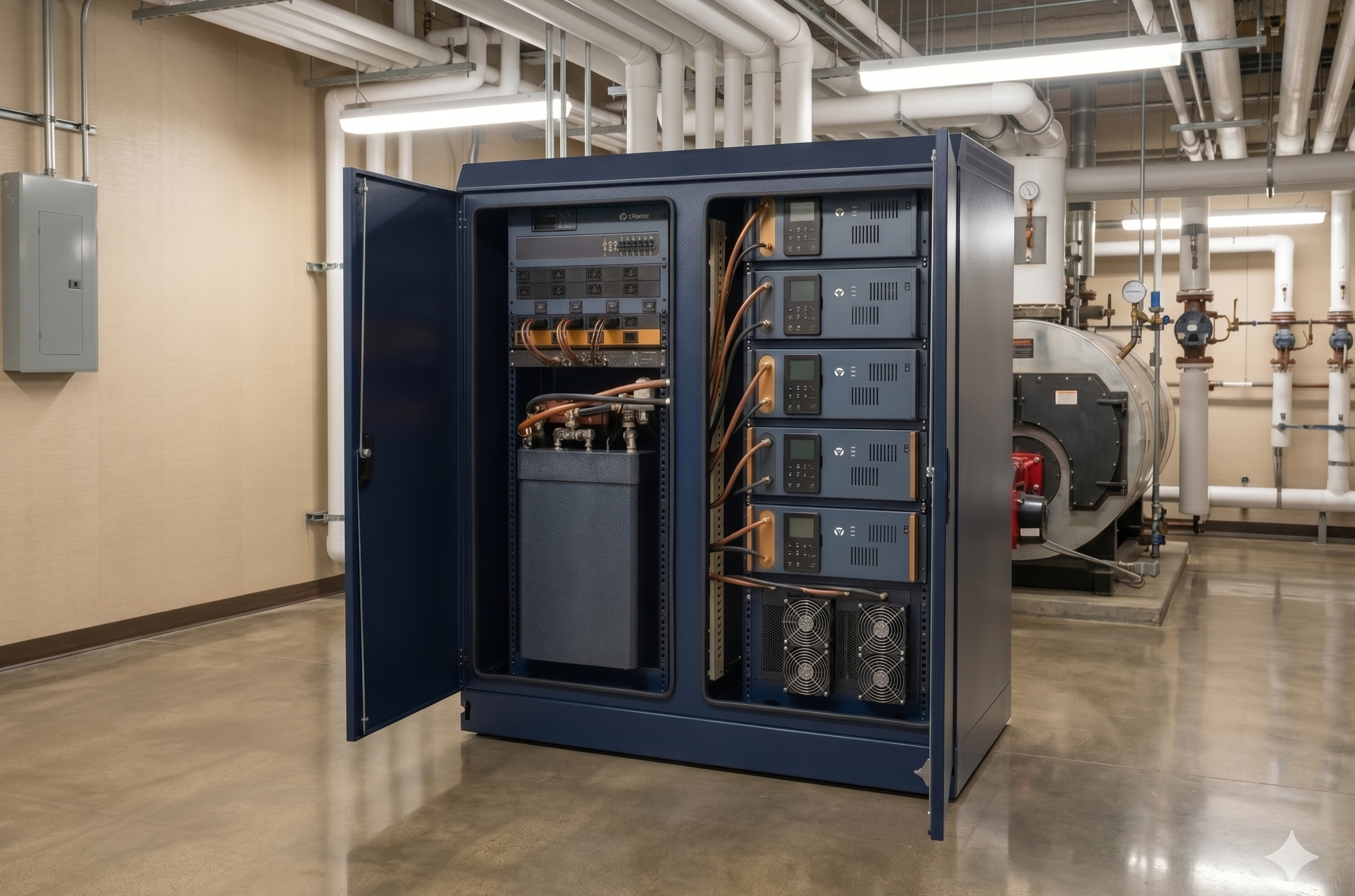
MicroLink described a three-loop system for heat transfer between the compute envelope and the host process. The compute side runs a closed-loop glycol mix at the server cold plates. A secondary closed loop transfers heat across the boundary via plate, tube-and-tube, or spiral exchangers — selection depending on host operator preference, capital constraints, and existing equipment. The tertiary side is the host's existing digester heat-supply loop.
6.5 — What was agreed
01
Maddy Fairley-Wax
Provide rough cost data for cogen system installation, with reference to a comparable Michigan wastewater treatment plant project
02
Nick Searra & Maddy Fairley-Wax
Continued discussion on collaboration on an academic paper exploring the integration of WRRF design with data-centre infrastructure
03
Maddy Fairley-Wax
Invite Jacobs' technical director — global expert on anaerobic digestion and bio-energy — to the next call
04
Nick Searra
Send follow-up email with the brief link and scheduling options for next week
05
Maddy Fairley-Wax
Subject to client confirmation, share microbial hydrolysis information and biogas calculations specific to San José
06
Nick Searra
Send follow-up email to Joel Cabrera (City of San José)
6.6 — What comes next
A second meeting is scheduled for the following week, with Jacobs' anaerobic digestion technical director joining. The conversation will move from concept to specifics: how a real San José deployment is sized, where MHP would integrate with MicroLink's thermal output, what data Jacobs is able to share under client confidentiality, and what the structure of a joint technical paper would look like.
Maddy Fairley-Wax was clear that this conversation does not constitute a "yes" on partnership — and equally clear that it is not a "no". The next call is the next step. The work between now and then is technical preparation, data sharing where permitted, and the start of the academic collaboration.